

Knee joint osteoarthritis, a chronic condition resulting in considerable disability, particularly in later life, not only impacts life quality significantly and severely, but is also strongly associated with the persistence of intractable pain, depression, helplessness, and a high falls injury risk. This narrative overview synthesizes the knowledge base regarding painful knee osteoarthritis and what is known about Tai Chi exercise in the context of reducing neuropathic knee joint derived disability and its associated risk of one or more injurious falls, as well as bone fractures, disease exacerbation, persistent pain and depression. To this end, relevant past and present articles published in the English language on the topic were sought and reviewed. While most reports rely on Eastern observations, rather than Western medicine research approaches, collectively, these data reveal that Tai Chi practiced widely in Asia for many centuries may have an enormous positive impact on reducing distress and increasing function and autonomy among older adults living in the community and diagnosed as having centrally mediated painful knee osteoarthritis. They specifically suggest the increasing numbers of these older adults can safely practice selected Tai Chi exercises with the expectation that consistent applications will enhance mobility, reduce pain and depression, plus instability and possible injurious falls, while reducing fatigue, even if surgery is forthcoming.
Keywords: Disability, Falls, Intervention, knee joint, Neuropathic pain, Older adults, Osteoarthritis, Pain, Proprioception, Tai chi
Knee joint osteoarthritis, a widespread highly disabling chronic destructive globally prevalent health condition affecting one or both knee joints is usually progressive and deemed irreversible. Prevalent among the older adult population, the disease commonly advances slowly, often spreading to include other joints and physical as well as neurological and cognitive body system deficits.1-3 Often associated with a condition termed central pain sensitization and what is termed neuropathic pain, these accompanying highly noxious states of burning, stabbing, and tingling hyperalgesic type pain symptoms are increasingly noteworthy. Consistently associated with the localized breakdown of key joint structures such as its force sensitive cartilage tissue shock absorbing lining located at the ends of the knee bones and others, plus its adjacent marginal subchondral bone mass, in addition to pain, the disease frequently accompanied by varying degrees of knee joint stiffness, decreased range of motion, structural instability, and swelling.4-6 Mechanical derangement, as well as deficits or damage to affected surrounding joint structures, such as postural or supportive muscles, joint ligaments, menisci, and tendons, plus joint sensory receptors and nerves, as well as the synovial lining of the joint may persist and can engender the presence of persistent knee joint inflammation that may lower pain thresholds unduly and foster associated damaging nerve remodeling.1-6
However, unlike most other chronic health condition that can be treated quite successfully and identified early on, osteoarthritis damage is often asymptomatic and hard to diagnose until its destruction is structurally or symptomatically evident. Moreover, since its origins remain in question, treatments are often not targeted at all specifically, and disease treatment options tend to be generally palliative, while failing to avert post surgical neuropathic pain, or offer well tested regenerative options.6,7 Common clinical solutions used largely in the West often are not only largely ineffective or unproven, but often pose a considerable degree of risk to the older high age affected adult suffering severe joint derangement and bouts of intractable nerve derived pain. Moreover, almost none portray clinical evidence of any permanent respite or reversal impact of cartilage damage at this point in time.
At the same time, mounting evidence points to a projected exponential rise in osteoarthritis cases by 2050 as society ages and caring for the older adult in the presence of knee joint osteoarthritis may be especially problematic in those with chronic pain deemed neuropathic, plus those who are either obese or frail. In addition, in the case of any age associated tendency to fall, the affected older adult with knee osteoarthritis who wishes to reside independently in the community may be placing themselves at risk for injury and further debility by relying on passive treatments or those that are stressful, even if they have had knee joint replacement surgery or are healthy.
Moreover, this health condition is often prevalent in those with heart and metabolic diseases or some form of longstanding lower leg deformity, alongside neuropathic joint manifestations, and thus may not be able to exercise in a traditional manner, or undertake many forms of electrotherapy because pain can often be evoked by the lightest touch, such as placement of TENS electrodes. With very few options for relief, a sizeable percentage of cases with persistent centralized pain manifestations may duly encounter a heightened risk for sedentary behaviors, rather than the advocated desired pursuit of exercise and other forms of intervention such as acupressure or massage designed to foster functional activities of daily living and self-care. They may consequently incur a state of obesity or frailty, muscle and bone mass losses, muscle weakness and poor endurance possible neuro-sensory mechanistic declines or disturbances, along with structural worsening of the already compromised joint[s] that evokes pain at rest as well as pain on moving or in response to light touch.4 Since joint health depends in part on intermittent exposure to physiological levels of joint compression and decompression, as well as the supportive quality of surrounding muscles and ligaments, and effective reflexive protection against sudden as well as repetitive joint loads, the sedentary older adult may indeed suffer an excess loss of joint structural integrity, and a cascade of pain provoking inflammatory responses.4 As the disease progresses, and adults in severe pain are forced to utilize more medications than not, they may become further impaired if they fail to appreciate the impact of excessive joint usage, or prolonged numbness, a correlate of neuropathic pain. They may also fall quite readily due to a combination of muscle sensory deficits plus poor balance and cognitive interactions that can duly interfere with the desired timely generation of much needed carefully modulated inherent protective motor reflexes.4,5 In addition to the presence of neuropathic type pain that may evoke a sudden or recurrent falling event, and with this, further joint injury, affected older adults who use non-prescribed or multiple medications incautiously may experience more rather than less pain. As well, surgical interventions may fail to alleviate central oriented or mediated osteoarthritis pain, the surgery may independently provoke neuropathic pain, or remain unchanged.7
On the other hand, even though it may be possible to repair a damaged joint successfully in the future, the success of this effort may yet require attention to the ongoing need for joint protection and maintenance of optimal reflexive neural mechanisms such as those that can be carefully developed through long term exercises. That is, whether or not targeted reparative efforts or joint replacement surgery or both are forthcoming, exercises such as those that foster muscle strength, balance and functional abilities may prove paramount in protecting the joint from impact, while lessening pain and falls injury risks at all disease stages.
Moreover, those that can also reduce anxiety, depression, sleep challenges, obesity, joint instability, and fatigue, and do not involve undue stress on the affected joint[s], cartilage erosion, bone mass declines, or cognitive disturbances, and can be done in the home with low impact and intensity independent of an instructor, may prove highly valuable.
Unfortunately, despite the aforementioned challenges associated with knee osteoarthritis among the older population, plus decades of related research, there is as yet, no effective safe pharmacologic remedy to limit or eliminate the key biological changes as well as these interacting oftentimes progressive symptoms and signs of this condition where neuropathic pain may commonly preside. In addition, the presence of severe sharp pain or numbness, as well as nerve damage clearly poses an excess falls risk if it affects balance control and recovery thus inducing devastating outcomes in its own right.8 Moreover, some medications may not only be injurious to joint tissues and others, but may inadvertently damage cartilage, while increasing confusion as well as suboptimal lower leg kinaesthesia and the inhibition or slowing of protective reflex responses that cannot adequately counter the risk for falling and further injury. However, it appears exercises or interventions that can reduce the need for pain medication and can foster better mood states and sleep quality, as well as joint stability, such as Tai Chi appear to offer highly promising preventive as well as remediable results. In addition to helping restore function and ameliorate pain in severe cases of the disease, surgery may be obviated but if needed- more successful in the face of dedicated efforts to build up the patient’s postural and muscle strength capacity and moderate the extent to which post operative neuropathic pain is likely to emerge.9
As well, in addition to clinical and experimental evidence that suggest a role for Tai Chi in attenuating some if not all of the key causes of any prevailing impaired cartilage cell biology, bone pathology, poor muscle coordination, sensory dysfunction, and muscle atrophy multiple clinically oriented health benefits are likely to emerge in this regard.10,11
Tai Chi practice may also induce or enable normal healing and repair processes that foster function plus exercise endurance among older adults suffering with chronic advanced knee joint damage, while assisting in weight reduction if desirable. Additionally, improvements in health perceptions, joint flexibility, and muscle power are anticipated as are decreases in the severity of anxiety, depression, and pain and medication dependence.10-14
Importantly, this form of stress free exercise may not elicit pain, fatigue, or discomfort, often associated with other exercise forms that may leave the high age osteoarthritis case with more, rapid painful joint attrition than desired, rather than less not. Many older adults with osteoarthritis also suffer from obesity, joint inflammation, cardiovascular diseases, and poor bone health, and cannot safely undertake activities that are stressful or fatiguing without high pain risks, and a tendency to adopt avoidance behaviours. As well, certain antidepressants to reduce pain may not prove risk free,12 and exercises that increase the risk of injuries such as falls [such as recommendations to walk outdoors, or take pain medication before exercising], or work through pain need to be avoided at all costs.
On the other hand, exercises that are gentle, as well as those that mimic normal daily movements, and that can currently be done indoors, as well as outdoors, with no equipment and independently of a gym or trainer, if required, would appear highly warranted as well as helpful and relevant in the context of the older adult who wants to reside in the community and wants to avoid being sent to residential care. Moreover, those exercises that can simultaneously allay anxiety and depression, those that can help to offset obesity, and those that can improve life quality and functional capacity are especially advocated. While many forms of exercise exist, this current paper focuses on examining the results of representative studies that discuss the efficacy of Tai Chi - a mind-body exercise performed at moderate intensity, and said to be especially practical and useful for seniors. In particular, it examines its observed potential for ameliorating neuropathic-like knee pain in the older knee osteoarthritis case. The value of this therapeutic mode of intervention for fostering overall life quality is also highlighted.
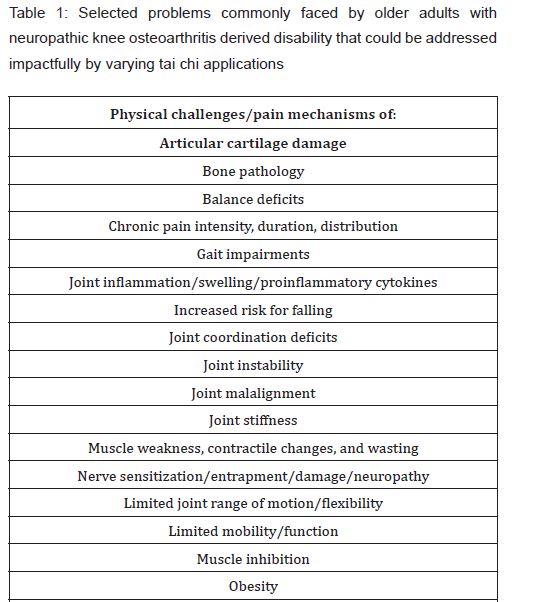
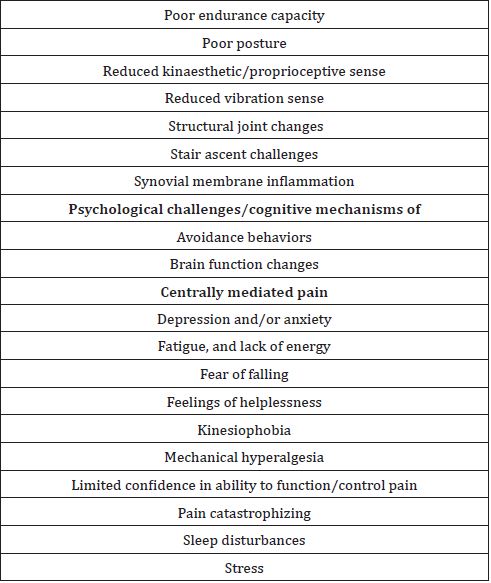
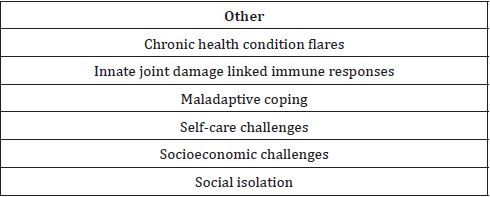
As per the immense data base that has emerged Tai Chi and its widespread use for many centuries appears practical as well as effective because it can be carried out readily in multiple venues at low cost and with a high safety record. Moreover, most reports indicate this form of exercise to be a helpful form of therapy for mature adults facing multiple health problems and where fear and distress are commonplace. Widely practiced in China and other parts of Asia for many centuries as an art or self-defense mode of self-care, Tai Chi, a category of the broader QiGong health approach can be undertaken as a preventative as well as a restorative form of therapy and is an exercise mode with a strong ability to improve lower leg balance; postural stability, aerobic capacity, and pain, as well as stress and injurious falls, and other knee osteoarthritis correlates shown in Table 1.
To establish whether the application of Tai Chi can be recommended for the sub group of older adults with knee osteoarthritis who suffer more potent pain than is commonly experienced - even possibly at rest - data for this strictly narrative topic overview were downloaded from those available on the PUBMED, GOOGLE SCHOLAR, and PUBMED CENTRAL electronic data sources that house valid and clinically sound research studies. The years searched ranged largely from January 1, 2022 – April 30, 2026 but earlier studies were included if relevant and when using the key words: osteoarthritis, knee, neuropathic pain, and Tai Chi. All potential articles were first carefully scanned for relevance, and excluded if they were non-English based articles, or proposals for study, or did not focus on osteoarthritis or its analogues. Because this review sought to make a strong case for Tai Chi in the context of home based preventive care for older adults with signs of neuropathic osteoarthritis pain of the knee, by exploring a variety of associated empirical studies related to community based environments and samples of older adults and those with knee osteoarthritis who have been exposed to Tai Chi. All forms of Tai Chi were deemed acceptable, as a single best application approach remains elusive. As well, all forms of research were deemed acceptable. The voluminous literature could not be reported on though and readers are encouraged to examine the listed systematic reviews highlighted in this overview for more in depth analyses.
General findings
Despite decades of inquiry, current and selected featured data presented here reveal enormous gaps in our knowledge base plus an immense need to explore remedies that can prevent or ameliorate knee joint osteoarthritis in the elderly, as well as possibly retard its possible persistent pain manifestations and progression with few side effects or safety concerns. However, with no evident curative measure or one that can mitigate knee osteoarthritis effectively as of April 30 2026, and the possible harm that can ensue from an oversight into the nature of osteoarthritis pain plus the unrestricted usage of some medical agents, such as opioids to quell unrelenting pain is rarely addressed or discussed. Indeed, regardless of a possible role for the emergence of centralized pain in the long term worsening of knee joint attrition, most current research in this regard is focused on invasive much hyped intra-articular biologically injected approaches or pharmacologic and surgical strategies that could arguably prove toxic and unsafe among older adults with chronic knee inflammatory signs. Yet others show a further insult to an osteoarthritis knee joint regardless of source is likely to provoke rather than ameliorate pain among those with cartilage damage and an associated low sensory threshold for pain, nerve damage or compositional alterations that exacerbate pro-inflammatory secretory products that can markedly increase nerve excitability.10,15 Cases that experience excess cartilage degeneration impacts and nerve responses may conceivably go on to exhibit frequent pain flares, sleep challenges, functional losses, further joint serangment, behavioral changes, poor balance and motor control reactions, and a high risk of falling and falling recurrently.
Alternately, a carefully designed and tailored low impact exercise regimen that is acceptable as well as enjoyable and health affirming and requires no major investments of time or funds, may prove to be safe as well as having an affinity to reduce suffering from knee osteoarthritis that is accompanied by central as well as peripheral pain manifestations.
Moreover, if we consider that knee osteoarthritis has multiple physical and psychological attributes that extend beyond the local joint site, it is clear only a carefully construed program that reduces the chances of their potential inflammatory reactions and interactions may prove beneficial even if surgery is forthcoming.9,16 For example, Tai Chi practice may help to specifically foster:
- a. A more relaxed mind, calmer spirit, and improved self-image
- b. Pain relief and an enhanced sleep quality16
- c. Motivation for self-management and joint protection
- d. The efficacy of projected efforts to replace or ‘grow’ cartilage, bone and muscle tissues
- e. Improvements in blood oxygen level and flow, as well as blood pressure ratings
- f. Multiple functional and psychological related life quality/independence benefits
As well, probable benefits may extending to overall health effects accordingly to many studies that have examined Tai Chi exercise adoption and maintenance in older populations and others.
That is, even if publication bias cannot be ruled out, and the translation of research conducted largely in Asia may not translate equally to Western educated older adults it is our view sufficient evidence attests to the safety and high efficacy of Tai Chi if practiced regularly. In this regard, in addition to improvements in multiple indicators of knee osteoarthritis disablement, Tai Chi exercisers are also reported as being satisfied with their general health status, self-care and functional abilities to a high degree.17 These important clinically relevant findings that are generally replicated in controlled studies show self-report pain intensity scores to decrease significantly compared to control interventions18 and in multiple dimensions as reported by Song19 after 12 weeks.
Song19 also noted significant improvements in balance and abdominal muscle strength for their Tai Chi exercise group, a finding similar to that of Yip20 where participants also showed increased overall arthritis self-efficacy scores, a reduction of their current arthritis pain rating, and improvements from baseline in quadriceps and hamstring muscle strength.
In addition, favorable cognitive and immune system effects may ensue post-Tai Chi practice21-23 along with lower pain levels and better physical function24 and probable improvements as well in knee extensor endurance,25 plus significantly greater bone mineral density in the neck of the proximal femur, Ward's triangle, and trochanter often the site of falls associated hip fractures. In addition, the fear of falling during daily activities was reduced significantly in the Tai Chi group compared to the control group.
Also anticipated are improvements in depression and the physical component of the quality of life measure in those cases with knee osteoarthritis who practiced Tai Chi for an extended period that may extend to osteoarthritis cases with chronic neuropathic pain.26 Another27 showed subjects undertaking Tai Chi exhibited significantly improved primary as well as secondary knee osteoarthritis outcomes including improved sleep and life quality.
Additional observations
As well as the stand alone studies highlighted above, available meta-analyses have generally supported the potential of Tai Chi to ameliorate multiple diverse knee osteoarthritis manifestations.28-30 Most conclude Tai Chi participation improves disease-specific symptoms of: a) pain and stiffness; b) physical dysfunction; c) walking limitations; d) poor postural control; e) mental health; f) joint range of motion as well as neuromuscular system coordination deficits.31-34
Indeed, Rogers35 noted older adults who participate in Tai Chi do appear to improve their ability to function physically, as well showing improved reductions in blood pressure, fall risk, depression and anxiety, all outcomes of great import to the knee osteoarthritis sufferer even if they are otherwise healthy. Additional data reveal Tai Chi practice may specifically stimulate bone growth and strengthen connective tissue,36 while improving joint proprioception and balance.37-39 In addition, practitioners may experience stress reduction, an improved ability to concentrate, and the ability to adopt a tranquil rather than an anxious fearful mind state40 as well as significant pain and stiffness benefits.41-43
In sum, a host of health and muscle related improvements such as the rate of force development post Tai Chi as well as joint and muscle structural improvements post Tai Chi therapy applications are likely to impact almost all of the disease attributes portrayed in Box 1 favorably and meaningfully, especially in the case of older adults suffering central mediated knee osteoarthritis pain. In our view this mode of therapy is certainly worthy of consideration by care providers as well as researchers given the enormous suffering of these patients who can often find few safe treatment options or options that can impact the disease itself effectively and favourably. Indeed, the potential physical benefits observed to date including improvements in strength, reductions in stress and increased energy, increased control over one's own health, without applying stress to the joints, along with improved joint stability and muscle activation are all beneficial outcomes that can potentially slow the progress of the disease and intensity of the disease impact, even if the disease is not reversible.
At the same time, very interestingly functional and cognitive benefits44,45 are observed as well and Yau46 recount Tai Chi exercise is often chosen by the elderly for its gentle and soft movements rather than fear provoking thoughts of exercising in a gym or having to carry out aerobic exercises that are possibly fatiguing as well as potentially generating strain or excessive joint impacts rather than being a safe low impact therapeutic strategy and one that has observed significant biomechanical, structural, psychological and social benefits and is generally deemed pleasurable.
Theories of why Tai Chi can affect favourable outcomes specifically among high age adults with neuropathic pain complaints who may suffer from severe muscle losses, distress and physical limitations is likely its favourable impacts on joint lubrication, limb flexibility, muscle coordination, balance, and muscle strength10 plus its overall holistic approach that integrates the physical, emotional and spiritual dimensions of health.44 Tai Chi is also observed to improve brain metabolism as well as muscle energy in older adults45 alongside biomechanical benefits that help stabilize the knee joint and modulate descending opioid associated pathways and reward/motivation systems favorably.46-49 Although cases studied may not have included those suffering neuropathic pain, one can expect multiple benefits comparable to those of other exercises of similar duration if applied for at least 8 weeks.50
As such, although no form of therapeutic exercise appears to be especially effective for ameliorating severe knee osteoarthritis pain,51,52 in our view for the neuropathic osteoarthritis knee case we propose a form of adapted Tau Chi termed Bafa Wubu, which is a mode likely to safely improve force attenuation of the joints of the lower extremities effectively.51 This in turn may help in reducing the disease severity and its pain magnitude plus rate of progression and extent.48,52 By fostering lower limb proprioception or kinesthesia including the detection of smaller thresholds for passive knee joint motion,53 plus falls self-efficacy,54,55 strength of the lower limb muscles and functional ability to a high degree,56-61 Tai Chi adoption and its regular practice appears to reduce falls risk and improve balance,62-66 foster stair ascent coordination in the sagittal plane,67 plus life quality.68 Its dedicated practice reduces pain, stiffness, possible fractures, as well as excess joint impacts, while improving physical health, function, cognitive health, muscle activation, and postural control.60-72
As per Wu73 it appears Tai Chi is indeed a form of ‘medicine’ in its own right as far as its ability to improve physical as well as knee osteoarthritis psychological health correlates holistically, including pain, stiffness, muscle and physical function, even in advanced knee osteoarthritis neuropathic type pain cases.74
Given the overall failure of modern medicine to counter or prevent disability associated with knee osteoarthritis, the most common joint condition that causes untold distress among senior members of all societies, a wealth of research has focused on its amelioration via medication and surgery for many years. Although only somewhat successful, as a form of self-care and overall form of health promotion that may raise the ability of the older knee osteoarthritis sufferer to overcome any disease associated sedentary tendencies, Tai Chi, interchangeably known as Tai Chi Chuan, is an ancient health-promoting martial art form that has been recognized in Asia as an effective form of arthritis therapy for centuries and may yet prove of high value in Western contexts where it is not well studied or commonly advocated but where increasing attention is being drawn to those osteoarthritis knee cases suffering associated multiple pain manifestations, including central as well as peripherally generated neuropathic pain.75,76
Indeed, our 25 year long exploration of the data shows an increasing volume of careful research largely affirming that low to moderately intensity type of exercise programs that follow Tai Chi precepts or their modifications are not only safe,75 but tend to foster both health in general, as well as knee joint pain intensity reductions48 and to use low impact movements and muscle patterns that are often quite similar to those used in daily life. They appear well accepted and especially appropriate for older individuals often affected by centrally dominant painful knee osteoarthritis symptoms alongside chronic health challenges, such as heart disease. They appear to help strengthen the knee muscles as well as the balance of the affected leg quite markedly57,58 along with a possible reduction in falls or other adverse impactful joint located events.59,60 They can also be applied to safely enhance aerobic and functional capacity, plus self-care and desirable social event participation, while improving life quality.61-63
As per Liang77 Tai Chi seems to enable older adults and others with chronically disabling knee osteoarthritis to live better lives and possibly to have better long-term outcomes even if surgery is still needed or is indeed forthcoming. Self-reports of enjoyment by older adults participating in Tai Chi indicate this form of exercise may not only prove structurally beneficial but is easy to adhere to as well as being flexible enough to accommodate the needs and preferences for exercise by the individual quite successfully. Participants who feel infused with energy as a result, may also be able to continue their desired physical activity levels and social interactions for years to come at minimal cost. Associated with an exercise intensity that may be less injurious to joints than commonplace high intensity exercises often advocated for improving aerobic capacity, it appears Tai Chi practice is especially likely to foster independence and well-being, such as reductions in pain and cardiovascular disease symptoms, among other health benefits. These movements, which incorporate deep breathing, while maintaining an upright posture are designed to soothe rather than stress, and are hence very important in the context of osteoarthritis treatments, where it is crucial to place no undue strain on the affected muscles, joints, and connective tissues surrounding the diseased joints, and where cognitive stress is a feature as well. They can also be effectively combined with resistance training exercises to enhance effects of exercise in older adults and/or integrated with other approaches.78
Discussions with the affected older adult regarding their condition, beliefs, pain behaviors, pain distribution, responses to prior interventions, and need for protection behaviors to reduce harm, are however strongly indicated,78 and become very important given that many cases in severe pain will predictably fail to participate in activities that are perceived as difficult and painful, or that have few desirable health benefits in their view or actual experience, especially if a pursued recommended activity worsens their joint pain and increases its extent, duration, and intensity. In this regard, it appears safe to conclude the considerable observed benefits of Tai Chi exercise on knee extensor strength, proprioception and postural stability may not only counteract pain effectively but may also foster better balance control, as well as less overall joint damage and a reduced proclivity towards falling and subsequent injuries found to hasten progressive disability and disablement.64,65 In addition to all these potential benefits, programs employing alternative exercise approaches such as Tai Chi may prove especially beneficial for those who cannot take medication, or want to reduce heir intake, but who have considerable degrees of intractable pain, given the evidence that pain can be reduced substantially post Tai Chi, even if the exercises are only practiced one a week.
As the ability to employ technology to assess joint pathology, and muscle related factors unfolds, continued investigations to understand how to harness impactful Tai Chi attributes, as well as what movements to avoid should prove of immense relevance at any point in the preventive spectrum against excess knee osteoarthritis disability, costs, and suffering and is strongly encouraged. More insights into whether effects obtained in Asia are easily replicated in the West are essential however, given possible cultural and social influences that may mediate acceptability and adoption such as:
- 1. Beliefs (eg osteoarthritis is age related and irreversible)
- 2. Patient practices (eg footwear is chosen for fashion not safety)
- 3. Medical practitioner beliefs (eg pain is exaggerated and can be blocked by injections or regenerative interventions rather than long term progressive mind-body self-mediated harm reduction efforts)
- 4. Lack of knowledgeable therapists (eg idea of mind-body medicine is not imparted to most Western allied health graduates)
- 5. Insurance issues (eg exercise that is unproven is not always reimbursable)
- 6. Outcome expectations (eg exercise is not as effective as surgery)
- 7. Lack of patient patience or persistence in order to secure slowly emerging results
- 8. Use of multiple pain negating medications that provoke joint oversue or misuse
To advance and validate this line of inquiry more profoundly, more advanced analyses that examine the direct impacts or interactions of various modes of Tai Chi on cognitions, neuromuscular coordination and responsiveness, muscle composition, bone and cartilage attrition, gait biomechanics, serum located inflammatory markers, and balance in high age adults with excessive degrees of knee joint and central pain manifestations and others are strongly indicated. To strengthen the evidence base also requires more comprehensive comparative prospective studies, studies that assess the role of fear and low self-efficacy in knee osteoarthritis neuropathic pain states, studies that map pain attributes relative to the joint condition more accurately, and test the added value of joint protection education, footwear, non intrusive assistive devices, nutritional neural protective agents, and other mindfulness or lifestyle based therapies.79
In the interim, and possibly under the guidance of a suitably qualified geriatric practitioner and health provider, it appears multiple clinically oriented health benefits including improvements in self-reported pain, the degree of prevailing dysfunctional pain processing, as well as suboptimal balance, muscle ,ass and strength and physical function improvements are likely to emerge in response to the consistent practice of an appropriately tailored and targeted long term Tai Chi program, regardless of mode of application and should be encouraged rather than overlooked.80
Despite gaps in the literature and few Western oriented applications to examine the universal application of Tai Chi in general, we conclude this mode of therapy offers a wide ranging relatively risk method of alleviating suffering in those older adults with neuropathic knee joint osteoarthritis pain without incurring risks of pharmacologically, invasive approaches, and most other forms of exercise.
We further conclude that in light of the strong need to offer some degree of relief to the older adult with neuropathic knee joint osteoarthritis pain, a growing volume of literature attests to the potential for Tai Chi exercise participation not only for both reducing the degree of pain, but for reducing the overall disease burden and biological impacts of excess joint destruction processes associated with the disease, if untreated, treated without adequate understanding, appreciation and insight, or poorly treated.
We further assert:
Optimally insightfully designed Tai Chi practices may assist in helping challenged older adults with intractable knee pain symptoms to not only reduce pain trajectories significantly, but can improve their health and activity profiles, and offer them a possibly enhanced ability to avert injurious falls and a life time of increased suffering.
Safe and easy to apply in or outdoors, in standing, or sitting, alone or in a group, multiple associated benefits include: fatigue amelioration, sleep health quality improvements, obesity management and control, postural stability and motor control enhancements66 that are supported by substantial evidence of its significant efficacy and promise.79 Its enormous benefits that involve the use of slow gentle movements are conceptually of major relevance to all older adults especially those suffering from severe centrally mediated knee osteoarthritis pain levels as well as other chronic bone losses, and inflammation of the joint and body in the face of obesity and cartilage mechanical damage. In this regard, anticipated post Tai Chi training effects include functional as well as structural joint benefits alongside overall physical and mental health status. Their persistent practice may not only reduce pain quite consistently and significantly, but excess anxiety and depression as well, without provoking painful unwanted sensory cross-talk cues or cartilage damage and sensory nerve provoked. Inflammatory pain mediators, including neuropeptides, and mechanosensitive ion channels networks that drive pain.4,10 By contrast, Tai Chi may yield profound beneficial interactive local and central mechanical as well as biological impacts and desirable knee osteoarthritis neuropathic pain outcomes when compared to most other modes of intervention.
Although more research using carefully designed ecologically sound protocols are crucial to support Tai Chi as a potential key mainstream osteoarthritis mitigation intervention, in general, as well as in cases with central pain manifestations, it appears substantive degrees of knee osteoarthritis disease mitigation may be anticipated to varying degrees in the biological, behavioral, and neural spheres of influence consequent to the adoption of carefully designed and targeted regular Tai Chi practice.
As opposed to most current intervention approaches, individualized as well group Tai Chi actions conducted regularly can be expected to offer enhanced opportunities for fostering social as well as functional, and psychological health benefits at low cost. Costs to society may be duly impacted favorably as well and thus investments in this regard are strongly encouraged.
None.
This Review Article received no external funding.
Regarding the publication of this article, the author declares that he has no conflicts of interest.
