

Among a limited number of evidence based non-pharmacological interventions shown to partially impact joint function in the older osteoarthritis case, we investigated if photo or laser therapy data as applied to an degraded osteoarthritis joint can have a favorable effect on inflammation that is often the target of therapies that may have few safe effects. Combating inflammation, a reactive condition that greatly underpins osteoarthritis pain is currently deemed of high import in this condition. In this regard, post-treatment joint and muscle swelling reductions and opportunities for tissue repair appear to be generated by low-level laser light application. However, to better clarify this association more research is needed and is strongly encouraged.
Keywords: Aging, Inflammation, Joint, Low level laser therapy, Osteoarthritis, Photobiomodulation, Rehabilitation, Therapy
Among the health conditions causing immense disabling pain and function in older adult populations, osteoarthritis, ranked as increasingly prevalent, raises many health challenges. Among these, the presence of low-grade inflammation remains a universal impediment to resolution of the condition even if the condition was long deemed to be a non-inflammatory one. Indeed, recent data strongly show that regardless of osteoarthritis cause, its adverse usually progressive disintegration of the thin hyaline shock absorber tissue termed articular cartilage that lines both bony end surfaces that form those freely moving or synovial joints such as the knee and that are essential to function is often progressively degraded in the face of local persistent inflammatory processes and the stimulation of inflammatory mediators.
In turn, this situation is shown to greatly influence cartilage erosion and degrading processes and inherent cartilage anabolic processes. At the same time, emergent degrees of chronic joint inflammation can induce a state of muscle reflex inhibition, subnormal joint protection, and weakness, thereby exacerbating subchondral bone exposure to damaging loading impacts. However, even if it seems intuitive that inflammation control may be beneficial in multiple ways, decades of thought that osteoarthritis is a ‘non inflammatory’ condition and one where cartilage chondrocytes are deemed inert and unable to regenerate, plus the sentiments that the disease itself is inevitable, has led to the apparent lack of effort to uncover aspects’ of osteoarthritis pathogenesis that could be addressed more insightfully and impactfully in the growing emergent older adult population.
Unfortunately, in the absence of a belief that the disease is similar to most chronic conditions as far as inflammation is concerned, the idea osteoarthritis is incurable, as well as inevitable and the that the cartilage cells or chondrocytes may have no potential to repair very limited remedially oriented mitigation efforts prevail. Cartilage, a key structural feature of osteoarthritis is thus probably destroyed more readily than not along with its shock absorbing role Alongside this erosive reaction generated by inflammation in particular, are possible impairments of key motor control mechanisms, reductions in mobility, pain, and ongoing signs of limited joint dexterity, even in the face of various anti-inflammatory drugs. Unabated, this situation in all probability increases joint stiffness and swelling, and reduces both joint range of motion, the inability to move in a stress-free manner, and is one that may reduce motivation to move and to thereby alleviate detrimental inflammatory responses. Moreover, research shows injected or oral anti-inflammatory solutions may do more harm than good as time progresses, and that persistent joint effusion plus the production of synovial membrane pro-inflammatory mediators may inadvertently alter the metabolic activity of cartilage cells in favor of cartilage destruction. At the same time, the presence of joint effusion may retard or hamper vital neural interactions that are normally protective, including timely well-modulated reflex responses.
In sum, untreated or poorly treated osteoarthritis may impact one or more freely moving joints in multiple ways including:
- a. The generation of a predictable cycle of adverse events
- b. A state of perpetual and heightened susceptibility to bone micro fracture, ligament laxity and instability
- c. The genesis of muscle atrophy and contractile changes and dysfunctional, articular load changes breakdown
- d. Joint instability
- e. Pain and stiffness
In this regard, contrary to standard therapies that may prove suboptimal in mitigating the above disease attributes, some evidence has accrued implying electromagnetic light waves or photons and others termed ‘LASER’ approaches, or photobiomodulation therapy can potentially offer a safe means of positively reversing or ameliorating joint inflammation and thereby some of the pathology of osteoarthritis correlates, including articular cartilage degradation.1-4 In particular, photobiomodulation or low-level laser light emitting devices applied statically on the skin via a laser diode[s] or a cluster probe to cover large tissue areas may well improve local joint status as well as addressing problems that require cell stimulation and intrinsic energy pathway activation that are needed to advance regenerate supportive ligament, muscle, and tendon tissue repair. Other data show adverse obesity outcomes in their own right can be ameliorated post laser irradiation, an outcome that would tentatively help many overweight osteoarthritis cases who have mobility as well as possible high degrees of joint loading and inflammatory pain challenges.5-7 Moreover, its application may reduce or limit adverse bone, ligament, meniscii, tendon, capsule, nerve, and muscle tissue impacts. As well, low level laser light applications may attenuate subnormal synovial fluid alterations, and reactive oxygen species inflammatory sources that degrade cartilage and induce pain.8-11
Potentially affecting a decline in the ability to calibrate joint positions and a deficit in motor control, unresolved inflammation and a failure to employ parallel treatments that are reparative may further invoke persistant joint damage as well as inflammation, and thus immense suffering.12-14 By contrast to the key mainstream osteoarthritis interventions that may relieve pain, most current medication or surgical treatments commonly fail to exhibit any reparative or underlying osteoarthritis cyclical causes such as poor proprioception and further pain as well as a heightened need for addictive medications and others to counter the immense pain experiences and functional losses, and inflammatory cartilage degradation as well as exposure of intact cartilage to excess impact loading.15,16
Indeed, a fair body of well designed and implemented preclinical studies conducted over the years appear to currently imply: 1) low level laser energy has a favorable impact on healthy as well as damaged cartilage cells and joints, 2) the modality can serve to generate favorable reparative structural products in multiple joint tissues. 3) laser light can relieve pain, while restoring muscle structure nerve transmission and even obesity. 4) its cumulative anti-inflammatory impacts may also help avert excessive use of pain medications and their possible adverse influences on the joint as well as multiple body systems.17,18
Building on what is known in the realm of low-level light applications in the osteoarthritis context, we currently chose to specifically update what has been shown largely over time, especially within the past year [January 1-mid November 2025] regarding the application of low-level laser therapy in any form to actual osteoarthritis lesions or simulated models of cartilage damage and its apparent influence on inflammation and pain. The analysis was undertaken to examine if advancements have been made recently that help solidify if this form of electromagnetic energy offered at a low intensity level is indeed a sufficiently valuable anti-inflammatory one and whether its promise as a salient line of future inquiry appears desirable. This does not discount the value of other approaches, but is one that has as its basis a large preclinical set of compelling results.
Amidst rising numbers of older adults suffering from disabling osteoarthritis, the disease is considered a chronic inflammatory one deemed incurable and largely progressive and one largely addressed by pharmacologic and surgical means that may yet prove limited, unsafe, or contra indicated.
As one of many non-pharmacologic toolbox options, laser therapy, a form of light energy, may however have both anti-inflammatory as well as some merit as far as mitigating osteoarthritis due to its observed influence on those key tissue structures and sites disrupted by osteoarthritis, namely the cartilage lining of the diseased joint, the underlying bone, collagen production and viability, and surrounding soft tissue lesions. Apparently able to foster adequate tissue healing, low level laser therapy or photobiomodulation appears promising in fostering favorable degrees of intercellular cartilage matrix production as well as overall soft tissue and muscle tissue healing and repair.
When studied, researchers observe a clinically important post laser degree of effective pain relief-the complaint experienced by most active osteoarthritis cases.19-24 It is efficacious for reducing joint swelling and safer than most medications that do not attenuate osteoarthritis tissue damage, and may perpetuate the disease.22,24,27,28 Its application may help avert the widespread opioid usage that currently exists, even though the use of opioids can cause side effects as poor coordination, sedation, mood swings, depression, and anxiety combined with a drug dependence.19-37
As opposed to an umbrella overview of low-level laser therapy or photobiomodulation as applied to osteoarthritis, this current report specifically assesses the question of whether laser light approaches are efficacious anti-inflammatory and disease modifying osteoarthritis reparative and remedial treatment approaches. Second, it asks if its observed benefits can be readily explained at the cellular and molecular level as well as in the realm of joint structural, and functional features. Third, it asks if low level laser light can substitute for exercise or medications due to its unique probable multimodal anti-inflammatory, biochemical, molecular, neural, and structural effects and documented favorable influences.
In terms of expectations, we believe if, as demonstrated, selected low level light wave applications can impact inflammation, one might anticipate that rather than any chemically or mechanically mediated excess cartilage breakdown, there may be a generative return over time to a state of tissue homeostasis, and a better ability to control oxidative stresses and damaging joint reaction forces.
A second thought is that the laser light recipient may duly experience more desirable cognitive and efficacy beliefs as well pain relief and motor responses that help the person in question to withstand excess impact loading stresses and control their disease insults with less energy consumption, and delay, and with more dexterity.
Based on recent superior pain related results in the clinic and favorable pre-clinical cartilage repair findings,8 we felt it important to try to discern the degree to which current data can be generalized and in the face of a growing osteoarthritis epidemic and global aging whether it may be a helpful adjunct for quelling joint pain due to inflammation in the older adult who cannot exercise or take drugs, thus averting some degree of excess overweight and sedentary lifestyle status.9,38-45 Moreover, having safe disease modifying impacts are especially relevant in cases that are not suitable candidates for surgery or intra-articular injections.30 Another idea that awaits investigation is the use of intra articular supported laser parallel approaches to quell osteoarthritis inflammation.29
To explore the topic mentioned above, we elected to consult the PUBMED, PubMed Central, Science Direct, and Google Scholar data bases using the search terms - low level lasers and osteoarthritis, laser/light therapy and osteoarthritis, osteoarthritis, pain, and photobiomodulation.46-50
To grasp the content and scope of these data, as many were not of direct current relevance, a fair number of the most currently posted articles [2025] were scanned and those selected were examined individually to uncover if the research report met the present inclusion criteria-of being a full length publication that has recently discussed some applications of low level laser intervention in experimental models of osteoarthritis and/or isolated cartilage tissues or clinical realms. All forms of lowlevel laser application and research modes were deemed acceptable. Clinical studies examined elsewhere were not systematically reviewed and only a narrative overview is provided. No surgical outcomes supported by light therapy were examined. Readers can refer here to references4,10,19,22,23,28,51 for more insights. The current search is however not an unlimited one and also excluded examining experiments of healthy cartilage cells or chondrocytes, lasers as a diagnostic tool, those studies related to rheumatoid arthritis, or laser irradiation in acute conditions. The validity of the osteoarthritis model used in the various preclinical studies was accepted as being reasonably representative of clinical osteoarthritis and able to thus offer insights into laser irradiation effects on destructive cartilage processes. The laser stimulation parameters employed and outcomes assessed and reported had to be those that could foster some degree of structural favorable change in the cartilage tissue such as cyclic hydrostatic pressure and inflammation control that might yet be applied to the human condition.
Inflammation, a most important factor that causes and perpetuates osteoarthritis disability and one that can have multiple adverse key clinical influences was studied in isolation. Laser phototherapy was studied due to its possible discernible impact on synovial fluid resolution as well as its probable direct influence on inflammatory pain receptors, mediators, and the pain process, osteoarthritis muscle damage, bone and cartilage destruction, joint nerve supply alterations, lesioned ligaments and tendons as well as pain sensitivity and pain centralization.19,27,29
As opposed to most medications, surgery or invasive therapies, it was believed photobiomodulation therapy could likely have immense influences on osteoarthritis joint status that then impact well-being directly or indirectly. As opposed to other remedies that may not help restore damaged cartilage and cartilage defects, while reducing inflammation, it was believed photobiostimulation would be deemed highly promising in this regard.
In terms of the key search terms currently applied, we found many studies, but these were hard to formalize or group. They are also small in number, although this is increasing. However, when coupled with osteoarthritis as a theme a considerable gap emerges in terms of past research efforts on the topic of current interest. For example in the casr of the application of key search terms, ‘osteoarthritis and inflammation’, more than 11657 articles can be found on PUBMED as of November 15 2025, but while this alone surely shows the immense interest in and desire to address this burgeoning albeit challenging complex issue a role for non-operative or non-pharmacologic interventions is quite limited. Moreover, among the more high-profile remedies listed to counter osteoarthritis inflammation, a role for anti-inflammatory pharmacolgic solutions is noteworthy wihj2563, cites, medications [6331 cites], drugs [1603 cites], opioids [98 cites], and injections [1629 cites]. Laser therapy in osteoarthritis pain relief in 2025 is largely overlooked in our view despite its promise [with only 53 cites since 1989], and 39 sites using the term photobiomodulation. However, of those published it appears laser applications as a form of osteoarthritis joint treatment and resolution does generally attenuate or reduce osteoarthritis joint inflammation as well as pain when used at a low level, regardless of mode or joint site;19 but its actual impact may vary with type of low intensity laser application used. It may also safely reduce the extent of osteoarthritis disability that stems from multiple interactive muscle, ligament, meniscal and bone structural defects, plus the impact of inflammation on the widespread generation of neuropathic pain states.28-30 Other data show laser light may modulate oxidative stresses that foster cartilage degradation, thus eliciting possible important chondroprotection effects, as well as generating a significant array of functional benefits, plus a possible reduction in chronic inflammation if treated at the inception of an injury.3 It may arrest the transduction of pain provoking cell genetics, and extrusion of chemical and other pain mediators such as mononuclear cells and the production of pro-inflammatory cytokines and other mediators of pain and joint injury.28
These noxious processes that stem largely from the persistently abnormal production of synovial and chondrocyte cell-based stress invoked mediators, signaling, transcriptional and posttranscription abnormalities are all able to degrade cartilage matrix and impact the whole joint if unabated, thus their abatement may prove highly beneficial.14,28-33
Alternately, possible beneficial joint morphology improvements post laser exposure may foster an improved ability to absorb joint impacts favorably,34 as well as enabling effective resolution of synovial inflammation35 and fostering a state of higher mechanical pain resistance, as well as more favored anti-nociceptive genetic influences.29,31 Also relevant are associated measurable declines in joint swelling that may enhance motor reflex responsiveness, effective control over reactive oxidative species generation due to joint micro injuries and usage, as well as increased stresses in the face of muscle inhibition.3,36-40
Indeed, breaking the cycle of osteoarthritis interactions demoted above, is likely in our view, to be crucial in mitigating the disease given that synovial fluid alterations depend largely on the cartilage tissue's ability to resist friction and this worsens with degeneration severity and a lack of due intervention risk abatement applications.11
In this regard, Martins46 propose the application of low-level laser therapy is effective because it in helps arthritis-induced joint tissues to recover from the presence of excess oxidative stressors-a strong pain determinant. Other data reveal structurally, biochemically, neurologically, and mechanically induced post laser effects may promote articular cartilage tissue repair processes.46-52 As well, by reducing swelling, and fostering ligament repair, muscle regeneration, joint stability and shock absorption fewer pain sources may be activated.53-60
Tim61 who undertook a controlled photobiomodulation application study using rat chondrocytes found the light waves increased cell proliferation rapidly and sustainably for a short period thereafter. The researchers also found that the laser impacted tissue degradation extent favorable and suggested phototherapy can foster a possible return to cartilage cell tissue homeostasis, thus promoting being able to promote a chondroprotective effect. This may be helpful not only in reducing cartilage degradation rates and magnitudes, but susceptibility to pain provoking impact stresses in those suffering chronic pain and varying degrees of muscle damage, poor proprioception, and possible joint instability.62 Indeed, although somewhat untested at present in humans, these findings seem well founded, robust, and to hold promise and support based on investigative studies by Sen62 and Auger63 Moreover, their application can speed up wound healing that could otherwise be very painful.66 Their combined usage with other therapies could produce even stronger effects than those applied alone, and despite a belief in the limited intrinsic degree of cartilage self-repair or renewal in the face of osteoarthritis damage, laser waves may clearly be harnessed to render bone and cartilage interface repair processes, favorable cognitive responses, as well as fostering joint protection and the ability to exercise safely that can offset pain.54-70
In addition, even if disputed,52 it appears there may generally be favorable direct as well as indirect anti-inflammatory impacts post laser stimulation even in the high age adult population such as those involving:
- a. Favorable cellular metabolic, energetic, and microenvironment status benefits
- b. Nerve regeneration and/or pain transmission slowing
- c. Venous and lymphatic microcirculation
- d. Healing processes in muscle, ligaments, bone, and articular cartilage
- e. Reductions in anxiety/distress
- f. Improvements in joint morphology
However, to achieve success, it appears an insightful step by step action plan is essential and is one that involves and embraces ‘education’ about the crucial allied role of joint protection at all times. Moreover, the plan may have to be tailored and delivered for an adequate time period, and readjusted as indicated. Efforts to employ optimal light energy sources and parameters and treatment sites and application modes may also need to be carefully chosen. Moreover, in accord with well-established management principles, due consideration should be given to: I) the unique attributes of the diseased joint/joint tissues implicated, plus the stage of the disease, the age and health status of the older adult; ii) how, when, for how long and at what frequency therapy should be applied, iii) the most appropriate irradiation method and wavelength, iv) the outcomes assessed tools and their reliability, sensitivity, and validity properties, v) the cumulative and desired therapeutic dosage and follow up plans.62-86
Dose dependent effects may also wane over time, thus long-term benefits may be lost if no other remedial strategy is forthcoming and follow up sessions are only sporadic rather than regular.73,74 The implications here are far reaching and include, but are not limited to persistent pathology in:
- a. Chondrocyte cell-matrix interactions
- b. Joint morphology and biomechanics
- c. Muscle reaction time and magnitude
- d. Osteoarthritis cartilage degradation
- e. The risk of excess pain and disease progression14
Osteoarthritis, studied for more than 100years with limited understandings of its origins and an elusive array of limited treatment successes, remains an increasingly prevalent disabling joint disease causing immense late life suffering and multiple functional limitations no matter where it occurs and is vital to address more impactfully. Associated with immense direct as well as indirect health care costs that are clearly advancing incrementally and exponentially, the use of lowlevel laser therapy as one potential disease mediator or moderator was presently revisited as a promising treatment option for remediating osteoarthritis disability, due to inflammation. Although fraught over time with multiple research gaps and flaws, laser light energy has been shown in multiple studies to be a promising disease modifyier and inflammation mediator including metabolic processes both stimulatory as well as inhibitory73 along with a favorable impact on neuropathic pain.75,78 However, most cannot be confirmed as mirroring the actual ‘in vivo’ osteoarthritis disease processes at all successfully and may not be applied to alleviate inflammation and its detriment impacts.
Additionally, even if laser light may induce a short-lived array of beneficial outcomes that may be helpful to the sufferer,83 it appears effective results may occur in weeks or months rather than those examined for limited periods. Increasing numbers of lowlevel laser or photobiomodulation therapy studies also show that laser light can combat or suppress joint inflammation differentially and successfully but this depends on a careful analysis of the state of the cartilage pathology. Although some trends indicate favorable extracellular matrix production, chondrocyte cell metabolism improvements and pain reduction post stimulation, whether this is due to better inflammation control pr other factors is hard to discern.79-82
However, unlike medication, surgery, or injections alone, it appears laser therapy in various dosages and wave lengths can not only foster reduce joint swelling, but can thereby protect the joint, as well as stimulate repair of damaged cartilage. A favorable impact on nerves, muscles, bones, soft tissues, and sleep post laser may greatly alleviate inflammation in turn and help attenuate frictional or damaging loading pervasive impacts.14,87 New forms of laser therapy that can penetrate deep tissues may be especially efficacious in this regard and appear promising as well.50,84
Indeed, regardless of whether recent laser therapy osteoarthritis studies have been observational or comparative, a reader cannot fail to be impressed by the enormous ‘healing’ potential of laser therapy and its impact on effectively reducing pain, stiffness, and overall joint and mobility dysfunction in osteoarthritis, now considered a disease of the whole joint.10,14,75 Moreover, it seems laser light impacts seem to occur regardless of treatment methods and disease durations and in clinical as well as cartilage lesions introduced artificially, but can be directed explicitly, for example by electro acupuncture approaches to minimize swelling.74,77 It also has almost no reported adverse systemic effect, and minimal risk when compared to narcotic usage. In addition, the full scope of any long term or structural post laser benefit may be larger than its short-term benefits, but is still largely unknown, as are its unique effects on joint effusion and dexterity, muscle reflexes, synovial and capsular cells, proprioception, and muscle-based inflammation associated deficits.
It can be hypothesized however, that careful selection and delivery of standalone laser light pulses applied to a compromised joint that is carefully chosen using advanced diagnostics will help clinicians to vary modes of application, and application durations that may surpass current known expectations. Moreover, designed directly to evoke synovial cell and cartilage genetic mechanisms may help in averting injurious degrading enzymatic joint fluid processes, regardless of osteoarthritis magnitude and can safely yield site specific artificially generated anabolic cell processes that foster cartilage repair. Treated at an early stage and with parallel efforts as well as to prevent or counteract damaging day to day inflammatory receptor pathways from mediating osteoarthritis cartilage damage may likewise prove helpful. Moreover, the application of a wider range of objective clinically relevant biomechanical, neurogenic, and serum biomarker estimates and less reliance on subjective data may help to foster more confidence in the application of low-level laser light to foster or maintain optimal mechanical, radiological, kinematic and kinetic, and regenerative osteoarthritis disease states in the older adult.
In this regard, establishing whether low level laser therapy applied externally can be designed to precisely target, or heighten the activation of older adult osteoarthritis cartilage cells, matrix repair, bone and muscle damaged cells, nerve lesions, or the prevention of progressive downward cartilage destruction, which appears plausible and possible, is strongly encouraged. Supported by most current as well as past research, insightful clinically relevant observations that foster healing and life quality benefits even in chronic long-standing cases can be anticipated.69,85,88 Moreover, the implied value of data showing the likelihood of endogenous light sensitive opioid or distant neural receptors that appear to have the potential to specifically modify or influence immune functions and central sensitization processes when stimulated selectively appears highly promising. Although its potent anti-inflammatory impacts have been noted for some time,89 more intense and comprehensive examination of possible beneficial morphological impacts on osteoarthritis soft tissue structures and function, such as ligaments, and inflammatory pathways in the older population, rather than failing to do so, may further help to expand its utility, functional successes, and strengthen its neuro mechanistic underpinnings, and thereby maximize its application so as to avert a need for addictive pain killers, surgery, as well as anti-inflammatory drugs [NSAIDS] and others, especially where the older adult is NSAID resistant and can benefit from the ability to exercise with less pain post laser therapy.81
However, to affirm, clarify or discern the unique effects of low-level laser light in osteoarthritis contexts, and until agreement of its efficacy is conclusively established, we believe the role of multi-intervention trial approaches should be discouraged in order to uncover any unique standalone effects.
In the interim it appears photobiomodulation efforts are worthy of being considered as having modest to high treatment efficacy and can be expected to:
- a. Improve function
- b. Delay or retard osteoarthritis disease progression
- c. Foster greater self-efficacy for pain and disease control, and thereby, to enhance life quality
To this end, research based on well-defined and careful sampling, disease staging and age, a washout period of at least two weeks prior to treatment session one, and controlling activity levels between treatments are indicated. In addition, careful parameter and laser delivery mode selection are strongly indicated86 as are optimized laser dosages.76,77
In the absence of any cure, and limitations on what is therapeutically safe for older adults with disabling osteoarthritis, this brief review of differing forms of low-level laser therapy approaches leads us conclude that a role for laser light applications in fostering function, averting or delaying joint surgery or fostering cartilage repair or both is highly promising, albeit one not necessarily aligned with mainstream approaches.90
We further conclude the modality of light, which is one that has been studied for more than a century, is one worthy of consideration, as well as highly applicable and acceptable for fostering function in the older disabled osteoarthritis case who cannot take medication or undergo surgery and has considerable degrees of joint inflammation and attrition. To aid this quest however, more robust carefully designed holistically oriented research is desirable and will help clarify its potential for improving vascular as well as reflex response functions as well as mobility and optimal joint kinematics. To capture emergent impacts more use of advanced imaging, biomechanical, and serum fluid assays are strongly indicated. What constitutes the most optimal treatment dosage for impacting edema and stimulating cartilage repair and the degree to which surgery can be allayed or optimized also warrants careful study.
In the interim, it seems low level laser applications are worthy of consideration as an osteoarthritis disease moderator that may have possible additive long-lasting temporal tissue repair effects. As well, it seems enormous suffering may be allayed when used alone or as a complementary form of safe anti-inflammatory therapy as well as its potential to activate endogenous opioid receptors or distant neural structures that influence immune function, oxidative stress damage, joint inflammation, reflex responses, and central pain sensitization processes.
In our view, allied health workers can expect high success rates, probable healing or regenerative or restorative trends in function, as well as desirable structural and functional outcomes that save societal costs, as well as the high costs of immense personal suffering and independence losses.
It may help disrupt a perpetual overlapping cycle of osteoarthritis generation that includes:
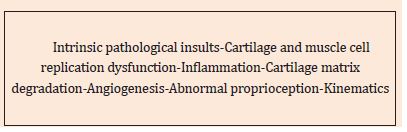
None.
This Review Article received no external funding.
Author declares that there is no conflict of interest.
- 1. Son Y, Lee H, Yu S, et al. Affects of photobiomodulation on multiple health outcomes: an umbrella review of randomized clinical trials. Sits Rev. 2025;14(1):160.
- 2. Gadah AM, Khiyami AT, Almalki RS, et al. A review of low‒level laser therapy application in sports physical therapy. Saudi J Sports Med. 20251;25(2):39-46.
- 3. Gatta C, Calzaretta G, Musco N, et al. Laser acupuncture effects on chronic pain, inflammatory response, and biochemical and oxidative stress markers in osteoarthritic dogs: a randomized controlled trial. Animals. 2025;15(17):2568.
- 4. Kunimatsu R, Nakatani A, Sakata S, et al. Effects of photobiomodulation on osteoarthritis from in vivo and in vitro studies: a narrative review. Int J Mol Sci. 2025 ;26(18):8997.
- 5. Sun W, Zhuang Z, Yang L, et al. Effectiveness of photobiomodulation therapy in improving health indicators in obese patients: a systematic review and meta‒analysis of RCTs. BMC Complement Med Ther. 2025;25(1):133.
- 6. Steele RE. Low‒level laser therapy: a comprehensive review of anti‒inflammatory applications and therapeutic potential. Med Res Arch. 2025;13(7).
- 7. Chen X, Fan Y, Tu H, et al. Clinical efficacy of different therapeutic options for knee osteoarthritis: a network meta‒analysis based on randomized clinical trials. PLoS One. 2025;20(6):e0324864.
- 8. Dos Santos Maciel T, Corrêa Lima Chamy N, Dos Santos Maciel M, et al. Effect of photobiomodulation (low‒level laser therapy) in patients with knee osteoarthritis: a randomized controlled trial. Lasers Med Sci. 2025;40(1):293.
- 9. Carvalho VA, Martins AA, Desiderá AC, et al. Preclinical evaluation of dose‒dependent effects of photobiomodulation therapy on persistent inflammation in the temporomandibular joint. J Oral Facial Pain Headache. 2025;39(2):183-192.
- 10. Zhang R, Qu J. The mechanisms and efficacy of photobiomodulation therapy for arthritis: a comprehensive review. Int J Mol Sci. 2023;24(18):14293.
- 11. De Roy L, Ambros K, Teixeira GQ, et al. Tribological impact of synovial fluid alterations in osteoarthritis: correlation analyses between cartilage friction and synovial fluid properties. Osteoarthritis Cartilage. 2025:S1063-4584(25)01207-5.
- 12. Whittaker JL, Kalsoum R, Bilzon J, et al. Toward designing human intervention studies to prevent osteoarthritis after knee injury: a report from an interdisciplinary OARSI 2023 workshop. Osteoarthr Cartil Open. 2024;6(2):100449.
- 13. Aparecido Monteiro Duque da Fonseca G, Carvalho Roxo D, Moreira Figueira M et al. Evaluation of laser‒photobiomodulation different irradiation parameters on macrophages (RAW 264.7) inflammatory mediators' production. Lasers Med Sci. 2025;40(1):366.
- 14. Goldring MB, Otero M. Inflammation in osteoarthritis. Curr Opin Rheumatol. 2011;23(5):471-478.
- 15. Zhang R, Qu J. The mechanisms and efficacy of photobiomodulation therapy for arthritis: a comprehensive review. Int J Mol Sci. 2023;24(18):14293.
- 16. Zhang Z, Wang R, Xue H, et al. Phototherapy techniques for the management of musculoskeletal disorders: strategies and recent advances. Biomater Res. 2023;27(1):123.
- 17. Martinez De la Torre A, Weiler S, Bräm DS, et al. National Poison Center calls before vs after availability of high‒dose acetaminophen (Paracetamol) Tablets in Switzerland. JAMA Netw Open. 2020;3(10):e2022897.
- 18. Parigi M, Tani A, Palmieri F, et al. Shining a light on skeletal muscle regeneration: red photobiomodulation boosts myoblast differentiation in vitro. FASEB J. 2025;39(21):e71107.
- 19. DE Oliveira MF, Johnson DS, Demchak T, et al. Low‒intensity LASER and LED (photobiomodulation therapy) for pain control of the most common musculoskeletal conditions. Eur J Phys Rehabil Med. 2022;58(2):282-289.
- 20. Fatu AM, Ciobotaru RO, Balta A, et al. The efficiency of combined capacitive and resistive energy transfer (tecar) therapy and low‒level laser therapy (LLLT) in pain reduction on patients with musculoskeletal disorders: a clinical study. Cureus. 2025;17(9):e92670.
- 21. Oliveira S, Andrade R, Valente C, et al. Effectiveness of photobiomodulation in reducing pain and disability in patients with knee osteoarthritis: a systematic review with meta‒analysis. Phys Ther. 2024;104(8):pzae073.
- 22. Karadayı G, Akbulut N, Deresoy FA, et al. Comparison of the effectiveness of the new generation dual wavelength laser with the conventional laser type in treating rabbit model temporomandibular joint osteoarthritis. BMC Oral Health. 2025;25(1):980.
- 23. Mi L, Gao J, Liu Y, et al. Photodynamic therapy for arthritis: a promising therapeutic strategy. Rheumatol & Autoimmunity. 2023;3(04):205-219.
- 24. Yap BWD, Lim ECW. Shedding more light on the short‒term effect of low‒level laser therapy on pain in tendinopathy: a systematic review with meta‒analysis. J Back Musculoskelet Rehabil. 2025;38(6):1232-1256.
- 25. Alexandrovskaya Y, Feldchtein F, Glatz A,et al. Therapeutic window of laser dosimetry for the treatment of knee osteoarthritis. Lasers Surg Med. 2025.
- 26. Hang NLT, Aviña AE, Chang CJ, et al. Photobiomodulation in promoting cartilage regeneration. Int J Mol Sci. 2025;26(12):5580.
- 27. Guastaldi FPS, Matheus HR, Hadad H, et al. A regenerative approach for temporomandibular joint repair: an in vitro and ex vivo study. J Oral Rehabil. 2024;51(8):1521-1529.
- 28. Dos Santos SA, Alves AC, Leal‒Junior EC, et al. Comparative analysis of two low‒level laser doses on the expression of inflammatory mediators and on neutrophils and macrophages in acute joint inflammation. Lasers Med Sci. 2014;29(3):1051-1058.
- 29. E Silva YME, de Viveiros Tavares Alves P, Dalmaso RBM, et al. Photobiomodulation presents an anti‒inflammatory effect, reflecting on the expression of receptors related to the pain process in a collagenase‒induced tendinitis experimental model. J Photochem Photobiol B. 2025;269:113205.
- 30. Chen JL, Hsu CC, Chen WCC, et al. Intra‒articular laser therapy may be a feasible option in treating knee osteoarthritis in elderly patients. Biomed Res Int. 2022;2022:3683514.
- 31. Agostini F, Capuano F, Sebastiani C, et al. The effects of laser therapy on pain, functionality and biomechanical parameters in patients suffering from gonarthrosis: an observational study. Clin Ter. 2025;176(3):330-335.
- 32. Martins LPO, Santos FFD, Costa TED, et al. Photobiomodulation therapy (Light‒Emitting Diode 630 nm) favored the oxidative stress and the preservation of articular cartilage in an induced knee osteoarthritis model. Photobiomodul Photomed Laser Surg. 202;39(4):272-279.
- 33. S GN, Kamal W, George J, Manssor E. Radiological and biochemical effects (CTX‒II, MMP‒3, 8, and 13) of low‒level laser therapy (LLLT) in chronic osteoarthritis in Al-Kharj, Saudi Arabia. Lasers Med Sci. 2017;32(2):297-303.
- 34. Travessini GR, Villanova B, de Alcantara BFR, et al. Evaluation of photobiomodulation for modulating peripheral inflammation via the lumbosacral medullary region. J Complement Integr Med. 2025.
- 35. Bomfim FRCD, Gomes BS, Lanza SZ, et al. Photobiomodulation effects on synovial morphology, iNOS gene, and protein expression in a model of acute inflammation. Acta Cir Bras. 2024;39:e392024.
- 36. Yang X, Liu TC, Liu S, et al. Promoted viability and differentiated phenotype of cultured chondrocytes with low level laser irradiation potentiate efficacious cells for therapeutics. Front Bioeng Biotechnol. 2020;8:468.
- 37. Anbari F, Khalighi H, Baharvand M, et al. Effect of low‒level laser irradiation on the proliferation of human chondrocytes: an in vitro study. J Lasers Med Sci. 2024;15:e55.
- 38. Lou X, Zhong H, Fan X, et al. Low‒intensity laser alleviates cartilage degradation in a rat model of knee osteoarthritis by improving the biomechanics of joint muscles and cartilage. Acta Mechanica Sinica. 2025;41(11):623656.
- 39. Retameiro ACB, Neves M, Tavares ALF, et al. Resistance exercise and low‒level laser therapy improves grip strength and morphological aspects in the ankle joint of Wistar rats with experimental arthritis. Anat Rec (Hoboken). 2023;306(4):918-932.
- 40. Djaali W, Dahuri RK, Viventius Y, et al. Laser acupuncture therapy in elderly patients with a trigger digit and diabetes. Med Acupunct. 2022;34(4):256-260.
- 41. Fernandes GHC, Labat Marcos R, Almeida Dos Santos S, et al. Photobiomodulation control the expression of MMP, TNF‒α and NK‒1 receptors, improving allodynia and cartilage resistance in rheumatoid arthritis model. Lasers Med Sci. 2025;40(1):306.
- 42. Fan Y, Guastaldi FPS, Runyan G, et al. Laser ablation facilitates implantation of dynamic self‒regenerating cartilage for articular cartilage regeneration. J Funct Biomater. 2024;15(6):148.
- 43. Kang YT, Tri TT, Jo DS, et al. Impact of Red and Red/NIR OLEDs photobiomodulation effects towards promoting ADMSCs chondrogenic differentiation. Tissue Cell. 2025;96:102948.
- 44. Mendelsohn DH, Walter N, Cheung WH, et al. Targeting mitochondria in bone and cartilage diseases: A narrative review. Redox Biol. 2025;83:103667.
- 45. Fan T, Xia P, Ahmed S, et al. Wavelength‒dependent photobiomodulation attenuates synovial inflammation in fibroblast‒like synoviocytes and a collagenase‒induced osteoarthritis model. J Photochem Photobiol B. 2025;272:113276.
- 46. Wen X, Zhang G, Cui J, et al. Efficacy and safety of laser acupuncture on osteoarthritis: a systematic review and meta‒analysis. Front Aging Neurosci. 2025;16:1462411.
- 47. Zhu Y, Zhou X, Peng X, et al. 1064nm Nd:YAG laser promotes chondrocytes regeneration and cartilage reshaping by upregulating local estrogen levels. J Biophotonics. 2024;17(2):e202300443.
- 48. Sargolzaei N, Gerayeli M, Ekhlasi A, et al. The effect of low‒level laser therapy on the healing of soft tissue graft donor and recipient sites: a randomized clinical trial. J Maxillofac Oral Surg. 2025;24(5):1448-1457.
- 49. Dellalbaşı AB, Cihan M. Evaluate the effects of photobiomodulation of blue led light combined with different graft materials on bone healing in the rat model. Lasers Med Sci. 2025;40(1):388.
- 50. Seo SH, Kang SM, You YH, et al. Effects of 650 nm laser acupuncture on cartilage, bone, and skeletal muscle in osteoarthritis. Bone Rep. 2025;26:101864.
- 51. Nambi G. Does low level laser therapy has effects on inflammatory biomarkers IL‒1β, IL‒6, TNF‒α, and MMP‒13 in osteoarthritis of rat models‒a systemic review and meta‒analysis. Lasers Med Sci. 2021;36(3):475-484.
- 52. Travessini GR, Villanova B, de Alcantara BFR, et al. Evaluation of photobiomodulation for modulating peripheral inflammation via the lumbosacral medullary region. J Complement Integr Med. 2025.
- 53. Chia WT, Wong TH, Jaw FS, et al. The impact of photobiomodulation therapy on swelling reduction and recovery enhancement in total knee arthroplasty: a randomized clinical trial. Photobiomodul Photomed Laser Surg. 2025;43(2):65-72.
- 54. Okita S, Sasaki R, Kondo Y, et al. Effects of low‒level laser therapy on inflammatory symptoms in an arthritis rat model. J Phys Ther Sci. 2023;35(1):55-59.
- 55. Hasanin ME, Aly SM, Taha MM, et al. The Effect of laser biostimulation at sensitized acupoints on chronic pelvic pain and quality of life in women with pelvic inflammatory disease: a randomized controlled trial. Medicina (Kaunas). 2025;18;61(2):354.
- 56. Bomfim FRCD, Gomes BS, Lanza SZ, et al. Photobiomodulation effects on synovial morphology, iNOS gene, and protein expression in a model of acute inflammation. Acta Cir Bras. 2024;39:e392024.
- 57. Ma Z, Wan Q, Qin W, et al. Effect of regional crosstalk between sympathetic nerves and sensory nerves on temporomandibular joint osteoarthritic pain. Int J Oral Sci. 2025;17(1):3.
- 58. Barale L, Monticelli P, Adami C. Effects of low‒level laser therapy on impaired mobility in dogs with naturally occurring osteoarthritis. Vet Med Sci. 2023;9(2):653-659.
- 59. Vassão PG, de Souza ACF, da Silveira Campos RM, et al. Effects of photobiomodulation and a physical exercise program on the expression of inflammatory and cartilage degradation biomarkers and functional capacity in women with knee osteoarthritis: a randomized blinded study. Adv Rheumatol. 2021;61(1):62.
- 60. Liu H, Cheema U, Player DJ. Photobiomodulation therapy (PBMT) in skeletal muscle regeneration: a comprehensive review of mechanisms, clinical applications, and future directions. Photodiagnosis Photodyn Ther. 2025;53:104634.
- 61. Tim CR, Martignago CCS, Assis L, et al. Effects of photobiomodulation therapy in chondrocyte response by in vitro experiments and experimental model of osteoarthritis in the knee of rats. Lasers Med Sci. 2022;37(3):1677-1686.
- 62. Şen SB, Koçyiğit BF, Ortaç EA, et al. Comparison of the effects of high‒intensity laser therapy and low‒level laser therapy in knee osteoarthritis. Clin Rheumatol. 2025.
- 63. Auger K, Shedlock G, Coutinho K, et al. Effects of osteopathic manipulative treatment and bio‒electromagnetic energy regulation therapy on lower back pain. J Osteopath Med. 2021;121(6):561-569.
- 64. Heng C, Zhou Y, Luo H, et al. Hydroxyapatite injectable hydrogel with nanozyme activity for improved immunoregulation microenvironment and accelerated osteochondral defects repair via mild photothermal therapy. Biomater Adv. 2026;178:214462.
- 65. de Guzzi Tremarin RF, Zambetta ML, Park J, et al. Revitalizing minds and muscles: a narrative review of potential impact of transcranial photobiomodulation and exercise on cognitive and motor enhancement in the elderly. Physiother Res Int. 2025;30(3):e70062.
- 66. Bozkurt E, Özdemir EÇ. The efficacy of injectable platelet‒rich fibrin versus photobiomodulation therapy on palatal wound healing: a randomized, controlled, clinical trial. Clin Oral Investig. 2025;29(11):512.
- 67. de Souza V, da Palma Cruz M, Chaves Bittencourt C, et al. Dosimetric parameters and clinical outcomes of photobiomodulation in diabetic neuropathy: a concise review. Lasers Med Sci. 2025;40(1):436.
- 68. Soares JM, Carneiro BD, Pozza DH. The role of biomarkers in temporomandibular disorders: a systematic review. Int J Mol Sci. 2025;26(13):5971.
- 69. Chen P, Zou Y, Liu Y, et al. Low‒level photodynamic therapy in chronic wounds. Photodiagnosis Photodyn Ther. 2024;46:104085.
- 70. Labanca L, Platano D, Tedeschi R, et al. Multi‒wave locked system laser therapy in chronic non‒specific neck pain: a double‒blind placebo randomized‒controlled trial. Eur J Phys Rehabil Med. 2025;61(4):645-654.
- 71. Attiyah HS, Moharrum HS, El Dakrory UAERM. Efficacy of photobiomodulation therapy using 980 nm versus 635 nm diode lasers for treatment of myofascial pain: a randomized controlled trial. BMC Oral Health. 2025;25(1):1511.
- 72. Canez MS, da Silva LI, Ferreira GD, et al. Effects of photobiomodulation, intermittent pneumatic compression and neuromuscular electrical stimulation on muscle recovery: systematic review with meta‒analysis. J Bodyw Mov Ther. 2025;44:570-584.
- 73. Spivak JM, Grande DA, Ben Yishay A, et al. The effect of low‒level Nd:YAG laser energy on adult articular cartilage in vitro. Arthroscopy. 1992;8(1):36-43.
- 74. Lan X, Li L, Jia Q, et al. Physical modalities for the treatment of knee osteoarthritis: a network meta‒analysis. Aging Clin Exp Res. 2025;37(1):121.
- 75. Araujo LC, Silva DPFB, Rocha Braga LC, et al. Therapeutic synergy between swimming and photobiomodulation in a rat model of neuropathic pain. Lasers Med Sci. 2025;40(1):444.
- 76. Zhao FY, Fu QQ, Ho YS. Interpreting the evidence for laser acupuncture in knee osteoarthritis management: a call for methodological rigor and nuance [letter]. J Pain Res. 2025;18:4787-4790.
- 77. Zeng DH, Yuan DN, Zhou QQ, et al. Laser acupuncture for the pain of knee osteoarthritis: a systematic review and meta‒analysis of randomized controlled trials. J Pain Res. 2025;18:3833-3841.
- 78. Yan Y, Lin L, Cheng K, et al. Therapeutic analysis of laser moxibustion for different KL graded knee osteoarthritis. Medicine (Baltimore). 2024;103(25):e38567.
- 79. Yang X, Liu TC, Liu S, et al. Promoted viability and differentiated phenotype of cultured chondrocytes with low level laser irradiation potentiate efficacious cells for therapeutics. Front Bioeng Biotechnol. 2020;8:468.
- 80. Hang NLT, Chuang AE, Chang CJ, et al. Photobiomodulation associated with alginate‒based engineered tissue on promoting chondrocytes‒derived biological responses for cartilage regeneration. Int J Biol Macromol. 2024;280(Pt 4):135982.
- 81. Tay YL, Ahmad MA, Mohamad Yahaya NH, et al Effects of photobiomodulation combined with rehabilitation exercise on pain, physical function, and radiographic changes in mild to moderate knee osteoarthritis: A randomized controlled trial protocol. PLoS One. 2025;20(1):e0314869.
- 82. Parizotto NA, Millan C, Kamamoto F, et al. Photobiomodulation with IR and RED light acutely applied to lipedema patients: preliminary study with 3 cases. Lasers Med Sci. 2025;40(1):437.
- 83. de Oliveira MFD, Leal Junior ECP, Machado CDSM, et al. Effects of photobiomodulation therapy combined with static magnetic field on pain and function in patients with lateral epicondylitis: a multicentre, randomised, placebo‒controlled trial. BMJ Open. 2025;15(10):e104789.
- 84. Leal Junior ECP, Hess F, Dias LB, et al. Light transmission and thermal impact of different photobiomodulation therapy devices on the Achilles tendon of human volunteers: a comparative study. Photodiagnosis Photodyn Ther. 2025;56:105234.
- 85. Kasim AH, Viventius Y. Reduced pain and improved quality of life after laser acupuncture therapy for trigger finger. Med Acupunct. 2022;34(4):261-265.
- 86. Fan T, Xia P, Ahmed S, et al. Optimizing LED photobiomodulation parameters to prevent cartilage matrix degradation in knee osteoarthritis: in vitro and in vivo study. J Orthop Surg Res. 2025;20(1):933.
- 87. Mehdizadeh M, Farnam A, Nikzad B. Transcranial photobiomodulation improves sleep quality, reduces daytime sleepiness, and modulates delta power in chronic insomnia: a randomized controlled trial. Lasers Med Sci. 2025;40(1):451.
- 88. Murriky A, Bloom M, Matei IC, et al. Bone regeneration therapy using low level laser treatment in a rabbit model: pilot study. Lasers Med Sci. 2025;40(1):403.
- 89. Bartoli DMF, Felizatti AL, do Bomfim FRC, et al. Laser treatment of synovial inflammatory process in experimentally induced microcrystalline arthritis in Wistar rats. Lasers Med Sci. 2021;36(3):529-540.
- 90. Shirnasab M, Karbasi N, Davari M, et al. Efficacy of photobiomodulation therapy on the acupuncture points on pain, maximum mouth opening, and quality of life in patients with temporomandibular joint disorders: a double‒blinded randomized clinical trial. Photobiomodul Photomed Laser Surg. 2025.
